Hedge Trimming in Forest Hill: Shaping Healthy, Attractive Outdoor Spaces
Hedge trimming in Forest Hill is more than a quick tidy-up for the front yard. It is an essential part of landscape care that helps shrubs stay healthy, look neat, and support the overall appearance of a property. Whether you own a family home, manage a commercial site, or care for a garden with established greenery, regular hedge trimming can make a dramatic difference. In a suburb like Forest Hill, where outdoor presentation matters and seasonal growth can be vigorous, keeping hedges in shape is one of the smartest ways to protect your garden’s value and curb appeal.
Many property owners notice hedges only when they begin to look unruly, but hedge trimming in Forest Hill is best approached as an ongoing maintenance task. Consistent trimming encourages denser growth, improves airflow, and prevents hedges from becoming leggy or overgrown. It also helps reduce the risk of pests and disease by removing damaged or crowded branches. When done properly, hedge care creates a polished boundary, adds structure to the garden, and contributes to a calmer, more organized outdoor environment.
From formal box hedges to privacy screens and decorative border shrubs, trimming supports both aesthetics and plant health. A well-maintained hedge can frame a driveway, soften fences, create shade, or define separate garden zones. In Forest Hill, where a mix of residential styles and landscaped properties creates diverse outdoor spaces, hedge maintenance is a valuable service for keeping gardens looking their best throughout the year.
 Why Hedge Trimming Matters in Forest Hill
Hedge trimming in Forest Hill plays a major role in maintaining the visual balance of a property. Overgrown hedges can block windows, crowd pathways, and make a garden feel cramped. By contrast, carefully trimmed hedges create clean lines and a sense of order. They can make a small garden feel larger and help larger landscapes look more refined. For many property owners, regular hedge maintenance is one of the easiest ways to preserve a tidy and inviting outdoor space.
There is also a strong plant-health benefit. Trimming removes dead or weakened growth and allows light and air to reach deeper into the hedge. This is particularly important for dense species that can trap moisture and develop fungal problems if left unmanaged. Proper hedge trimming in Forest Hill helps reduce the likelihood of disease, encourages fresh shoots, and supports even growth across the entire hedge line.
In addition, hedges that are maintained regularly tend to require less drastic intervention later. Neglected hedges can become difficult to correct, sometimes needing heavy cutting that may stress the plant. A steady trimming schedule is often better for the hedge and easier for the property owner. This means less disruption, a better appearance, and more predictable results across the seasons.
For families and businesses alike, well-trimmed hedges also improve practical use of the space. They can keep footpaths clear, preserve sightlines, and help define boundaries in a neat and professional way. In a suburban setting, these details matter. Good hedge care is not just about appearance; it is about functionality, safety, and long-term landscape health.
 Common Hedge Types Found in Forest Hill
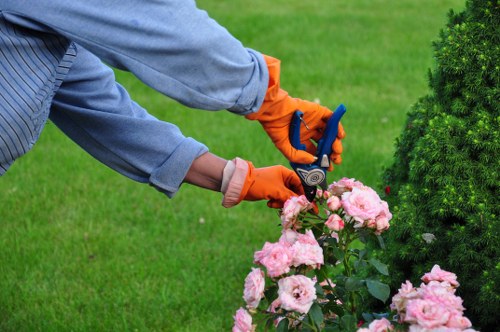
Different hedge varieties need different trimming approaches, and understanding the species on your property is essential. Hedge trimming in Forest Hill often involves a range of plants, each with unique growth habits, density levels, and seasonal responses. Some hedges are clipped into formal shapes, while others are maintained in a softer, more natural style. Choosing the right approach helps preserve the plant’s health and ensures the hedge complements the rest of the garden.
Popular hedge plants may include box, viburnum, lilly pilly, pittosporum, privet, and other evergreen shrubs. Formal hedges often require precise, frequent shaping to maintain sharp edges and an even silhouette. Informal hedges may only need occasional pruning to prevent them from becoming too wide or untidy. Knowing the difference matters because an aggressive cut on the wrong species can leave gaps or cause stress that takes months to recover from.
Some hedges are grown primarily for privacy, while others are designed as ornamental features. Privacy hedges benefit from consistent height control and side shaping so they stay dense from top to bottom. Ornamental hedges often need more attention to symmetry and form. In both cases, hedge trimming in Forest Hill should be tailored to the hedge’s purpose, the available space, and the property owner’s preferred finish.
How hedge style affects trimming
- Formal hedges: need crisp lines and regular maintenance.
- Privacy hedges: should be dense, level, and controlled for height.
- Decorative hedges: often require shaping for visual impact.
- Mixed shrub boundaries: may need selective pruning rather than uniform clipping.
Matching the trimming method to the hedge type helps keep the landscape healthy and attractive. It also reduces the chance of uneven regrowth, bare patches, or unnecessary damage. A tailored approach is one of the most important parts of effective hedge trimming in Forest Hill.
 When to Schedule Hedge Trimming in Forest Hill
Timing is one of the most important factors in successful hedge trimming. In Forest Hill, many hedges respond well to regular maintenance during active growing periods, though the exact schedule depends on the plant species and local weather conditions. Trimming too late in the season can expose soft new growth to stress, while trimming too infrequently may allow the hedge to become woody and difficult to shape.
As a general rule, most hedges benefit from at least one to three trims per year, depending on how quickly they grow and how formal the desired shape is. Fast-growing hedges may require more frequent attention, especially in spring and summer. Slower-growing varieties can often be maintained with fewer cuts. A professional approach to hedge trimming in Forest Hill considers both the current size of the hedge and the long-term growth pattern of the species.
Seasonal planning also matters. Trimming after a growth flush can help preserve a clean shape and encourage dense regrowth. However, some flowering hedges should be cut at specific times to avoid removing buds and reducing blooms. This is why a one-size-fits-all approach rarely works. Good hedge care involves understanding the plant, the season, and the intended result.
Signs a hedge is ready for trimming
- Branches are extending beyond the desired boundary.
- The hedge is blocking windows, walkways, or driveways.
- The top is broader than the base and losing shape.
- New growth is making the hedge look uneven or shaggy.
- The interior is crowded and airflow is limited.
If any of these signs are present, it may be time to arrange hedge trimming in Forest Hill before the hedge becomes harder to manage. Regular attention is always easier than major corrective work.
 Benefits of Professional Hedge Trimming
While some property owners enjoy maintaining small hedges themselves, professional hedge trimming in Forest Hill offers clear advantages, especially for larger properties or complex garden layouts. A trained team brings the right tools, safe working practices, and a good understanding of plant structure. This often results in cleaner cuts, a more even appearance, and healthier regrowth over time.
Professionals can also identify issues that might otherwise be overlooked. For example, a hedge may have hidden dead wood, pest damage, or disease symptoms inside the canopy. A skilled trimmer can spot these problems early and recommend the right response. This proactive approach helps prevent more serious issues and keeps the hedge in better condition throughout the year.
Another major benefit is efficiency. Cutting a long hedge by hand can take significant time and effort, particularly if it has been neglected. Professional hedge trimming in Forest Hill allows property owners to save time while achieving a more polished finish. This is especially useful for busy households, rental properties, schools, and business premises where appearance and safety must be maintained consistently.
What professional trimming can improve
- Shape: creates a smooth, balanced profile.
- Density: encourages fuller growth from the base upward.
- Health: removes damaged, diseased, or overcrowded growth.
- Access: prevents hedges from blocking paths and entry points.
- Presentation: enhances the overall look of the landscape.
Book your service now if your hedges are beginning to lose their form or take up too much space. Professional trimming can restore order and help your garden stay under control.
 Techniques Used for Hedge Trimming in Forest Hill
Different trimming methods can produce different results, and choosing the right technique is key to achieving a healthy, attractive hedge. Hedge trimming in Forest Hill may involve light maintenance cuts, formative shaping, or selective reduction depending on the hedge’s current condition. A skilled approach takes into account the hedge’s age, thickness, and growth direction.
One common technique is topping and side trimming, which maintains an even height and width. This method is useful for privacy hedges and boundaries that need to stay within a certain size. Another technique is selective pruning, where specific branches are removed to improve structure without changing the overall shape too abruptly. This is often used for older hedges or species that do not respond well to hard clipping.
For formal hedges, precision is everything. Clean lines, straight edges, and a slight taper toward the top help the hedge receive enough sunlight along the lower sections. This tapering method is important because it prevents the upper growth from shading out the bottom. A hedge that is wider at the base and narrower at the top generally stays healthier and more evenly green.
In some cases, rejuvenation pruning may be needed for overgrown hedges. This involves more substantial cutting to restore shape and stimulate fresh growth. It should be done carefully, as not all hedges respond well to severe trimming. When performed correctly, however, it can bring an old hedge back to life and make hedge trimming in Forest Hill far more effective in the long run.
Important trimming principles
- Use sharp tools for cleaner cuts and less plant stress.
- Keep the hedge slightly wider at the bottom than the top.
- Avoid cutting too deeply into old bare wood unless the species allows it.
- Remove dead or crossing branches to improve structure.
- Shape gradually rather than making extreme cuts in one session.
Contact us today if you need a careful trimming approach that suits the hedge species on your property and keeps the garden looking refined.
Safety, Cleanliness, and Property Protection
Hedge trimming in Forest Hill should always be carried out with safety in mind. Hedges often grow near fences, windows, driveways, and footpaths, which means there is a real risk of accidental damage if the work is rushed or done with unsuitable equipment. Skilled trimming reduces this risk by using controlled cuts, appropriate tools, and a methodical approach around delicate areas.
Cleanliness is another important consideration. Trimming produces leaves, twigs, and clippings that can scatter across lawns, paths, and garden beds. Good maintenance includes clearing away debris so the area is left neat and usable. This is particularly important for entryways and business fronts where presentation matters. After all, hedge trimming is not finished until the space is left tidy and safe.
It is also important to protect the hedge itself from preventable damage. Poorly handled tools can tear branches rather than cut them cleanly, which creates stress and opens the door to disease. Overtrimming can expose too much of the interior and leave the plant looking thin or scorched. A careful, measured service helps preserve the hedge’s natural strength while delivering the neat, tailored look property owners want.
In some Forest Hill properties, hedges may also be close to utilities or shared boundaries. This makes planning even more important. When hedge trimming in Forest Hill is done thoughtfully, it helps reduce disputes, prevent hazards, and preserve a positive relationship between landscaping and the built environment.
How Hedge Trimming Supports Garden Design
Hedge trimming in Forest Hill is not only about maintenance; it is also about design. Hedges can act as living architecture, shaping how people move through and experience a garden. They can form a backdrop for flower beds, create a secluded seating area, or give a property structure during winter when other plants are less prominent. This makes hedge care a central part of landscape planning.
For example, a straight, clipped hedge can give a modern garden a sharp and elegant edge. A softly trimmed hedge can suit a more natural or cottage-style setting. In both cases, the hedge should complement the home rather than overpower it. When shape, height, and spacing are all considered together, hedge trimming in Forest Hill can transform an ordinary outdoor area into a visually cohesive space.
Good hedge design also improves flow. A hedge that is too tall can make a garden feel closed in, while one that is too broad can reduce the usable area. Regular trimming ensures the hedge stays in proportion to the property. This is especially helpful in smaller Forest Hill gardens where every metre counts and careful placement matters.
Design advantages of well-trimmed hedges
- Creates natural borders without harsh fencing lines.
- Adds structure and rhythm to planting layouts.
- Improves privacy while keeping the garden attractive.
- Balances open areas with sheltered spaces.
- Supports both formal and relaxed garden styles.
Maintaining Long-Term Hedge Health
Healthy hedges are the result of consistent care, not occasional rescue work. Hedge trimming in Forest Hill should be seen as part of a broader maintenance routine that includes watering, mulching, soil care, and pest monitoring where needed. Trimming may be the most visible part of the process, but it works best when supported by the right growing conditions.
After trimming, hedges often benefit from a period of recovery during which they produce fresh growth. Adequate water and nutrients can support this process, particularly during dry or hot weather. It is also wise to monitor for signs of stress such as browning leaves, uneven regrowth, or thinning patches. Early intervention can prevent small issues from becoming long-term problems.
Another important factor is consistency. A hedge that is trimmed at regular intervals tends to stay denser and healthier than one that is cut hard after being ignored for years. Consistent hedge trimming in Forest Hill encourages controlled growth habits that are easier to manage and more resistant to becoming sparse. Over time, this creates a stronger, tidier, and more reliable landscape feature.
Healthy hedge care is about balance: enough trimming to maintain shape, but not so much that the plant is stressed. Enough attention to keep the hedge neat, but not so little that it becomes difficult to recover. This balanced approach is the key to long-lasting results.
Choosing the Right Approach for Your Property
Every property is different, which means hedge trimming in Forest Hill should be planned with the specific site in mind. A small front garden may only need light shaping, while a long boundary hedge may require height control and side reduction. Commercial spaces may prioritise visibility and access, while private homes may focus more on privacy and aesthetics. The right approach depends on the purpose of the hedge and the condition it is currently in.
Property owners should also consider their long-term goals. Do you want a formal, clipped appearance? Are you trying to create more privacy? Is the hedge becoming too wide for the available space? Answering these questions helps determine whether a light trim, a corrective prune, or a more structured maintenance plan is needed. When hedge trimming in Forest Hill is tailored to the property, the result is usually more satisfying and easier to maintain.
It is often helpful to think of hedge care as a partnership between plant growth and practical design. The hedge should be allowed to thrive, but it should also serve the landscape. That balance is what makes a property feel well cared for. If the hedge is blocking light, invading pathways, or looking uneven, it may be time to take action before the issue becomes bigger.
Questions to ask before trimming
- What is the hedge species and how fast does it grow?
- Is the goal privacy, shape, or recovery from neglect?
- Are there windows, fences, or structures nearby?
- Will the hedge respond well to light trimming or need more work?
- How often will maintenance be required after the current trim?
Why Forest Hill Property Owners Value Regular Hedge Care
In a suburb like Forest Hill, outdoor presentation contributes strongly to the character of a property. Neat hedges help create a sense of pride, order, and attention to detail. They can improve first impressions, support everyday use of the yard, and make the whole landscape feel more intentional. This is why hedge trimming in Forest Hill remains one of the most valued garden maintenance services for homeowners and property managers alike.
Regular hedge care can also save effort in the long term. A hedge that is kept under control is easier to maintain, easier to shape, and less likely to need drastic correction. That means fewer surprises and less time spent dealing with overgrowth. For many people, this alone makes routine trimming worthwhile. It is a practical investment in the overall condition of the garden.
There is also a lifestyle benefit. Outdoor areas are more enjoyable when they feel neat and open. Trimmed hedges can make a garden more relaxing to use, whether that means sitting outside, letting children play, or simply enjoying a tidy view from the window. When the greenery is shaped properly, it enhances the property rather than competing with it.
Book your service now if you want hedge trimming in Forest Hill that improves appearance, supports plant health, and keeps your outdoor space in excellent condition. Regular maintenance today can prevent bigger problems tomorrow.
Final Thoughts on Hedge Trimming in Forest Hill
Hedge trimming in Forest Hill is a vital part of keeping gardens healthy, neat, and visually appealing. It supports plant growth, improves safety, and creates structure in both residential and commercial landscapes. Whether the hedge is formal, informal, tall, narrow, or widely planted, regular trimming helps it remain attractive and manageable through every season.
The best results come from understanding the hedge type, trimming at the right time, and using the right technique. A thoughtful approach keeps the plant strong while maintaining the shape and size that suit the property. This is why professional hedge trimming in Forest Hill is often the preferred choice for people who want reliable results and a polished finish.
If your hedges are overdue for maintenance, now is the time to act. A well-trimmed hedge can improve the look of the entire property, support long-term garden health, and make outdoor spaces more enjoyable to use. Contact us today to keep your hedge care on track and protect the beauty of your Forest Hill landscape.