Lewisham Council garden waste rules for Forest Hill gardeners: what to do, what to avoid, and how to keep your garden tidy
If you garden in Forest Hill, the rules around green waste can feel oddly specific at first glance. One minute you are pruning a hedge, the next you are wondering whether grass cuttings, ivy, soil, or a few rotten branches can go in the same bin. The truth is, understanding the Lewisham Council garden waste rules for Forest Hill gardeners saves time, reduces mess, and helps you avoid the classic last-minute scramble before collection day. It also makes a real difference if you are arranging regular maintenance, a seasonal clearance, or a bigger one-off job.
This guide walks through the practical side of garden waste in plain English: what is usually classed as green waste, how collection and disposal choices tend to work, where people get tripped up, and how to plan jobs so you are not left with a pile of clippings and a mild sense of regret. Fair warning: garden waste has a way of multiplying when you turn your back.
Why Lewisham Council garden waste rules for Forest Hill gardeners Matters
Garden waste is one of those jobs that seems simple until you are standing over a half-full sack with wet hedge trimmings in one hand and a clump of turf in the other. For Forest Hill households, the rules matter because garden waste is not just "rubbish" in the general sense. It is a material stream with its own expectations, collection methods, and disposal limits. Getting it wrong can mean missed collections, extra handling, or the hassle of sorting everything out later.
There is also a wider practical point. Forest Hill gardens are often compact, varied, and tightly used. A small front patch, a back courtyard, or a sloping family garden can produce a surprising amount of material after even a modest tidy-up. If you know what Lewisham Council expects, you can plan pruning, mowing, and clearance in a much calmer way. That means fewer overloaded bags on the patio, less mud trail through the house, and a smoother finish all round.
For anyone who uses regular upkeep, this is especially useful. A properly managed routine with garden maintenance or lawn mowing can reduce the size of the waste problem before it becomes one. In practice, that often saves more effort than trying to "deal with it later", which rarely works, let's face it.
Key takeaway: If you know what counts as garden waste, how to separate it, and when a bigger clearance is the better option, you will avoid most of the common problems people run into in Forest Hill.
How Lewisham Council garden waste rules for Forest Hill gardeners Works
Although the exact service setup can change over time, the basic idea is straightforward: garden waste should be prepared and presented in the format the council accepts, and anything that falls outside that category should be handled separately. In real-life terms, that means separating natural garden material from general household rubbish, and being careful not to mix in items that are bulky, contaminated, or not considered green waste.
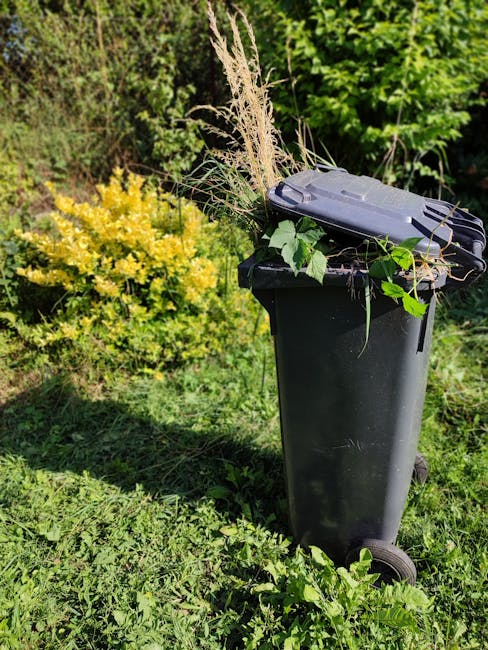
Typical garden waste includes common organic material such as grass cuttings, leaves, hedge trimmings, small twigs, weeds, and similar garden debris. The trickier bits are the items that look garden-related but do not always belong in the same stream. Soil, rubble, large branches, treated timber, plant pots, and general clutter can all complicate disposal. If you have just finished a seasonal clear-up after a windy week, the pile may look innocent enough; the sorting stage is where people tend to underestimate the job.
Many Forest Hill residents also combine regular garden work with occasional larger tasks, such as cutting back overgrowth, refreshing borders, or clearing an area before replanting. In those situations, a one-off removal can make more sense than trying to rely on ordinary household collection routines. That is where a service like garden clearance becomes especially useful, because it helps when the waste volume exceeds what is comfortable to manage yourself.
For practical garden jobs, it is worth remembering that a neat garden often depends on good preparation. If a hedge is trimmed properly, a lawn is maintained regularly, and overgrowth is controlled in stages, the waste is easier to separate and far less likely to become an afternoon-long headache. Small job, fewer surprises. That is the dream, anyway.
Key Benefits and Practical Advantages
Following the garden waste rules is not just about avoiding trouble. There are several day-to-day benefits that matter to Forest Hill gardeners, especially if you care about keeping outdoor space manageable without wasting time or money.
- Cleaner garden turnaround: You can finish pruning or mowing and clear waste in a more organised way.
- Less clutter at home: Bags, bins, and loose trimmings do not sit around waiting for "later", which often means days.
- Better planning: You know in advance whether a routine tidy-up or a larger clearance is the smarter option.
- Lower risk of rejected loads: Sorting materials properly reduces the chance of unsuitable waste causing problems.
- More sustainable disposal: Green waste is often best handled separately from mixed rubbish, which supports more efficient recycling and composting routes where available.
There is also a subtle but important benefit: the garden itself looks better, sooner. A proper finish after pruning or mowing changes how the whole space feels. The crisp scent of cut grass, a tidy path, and no random heap of branches by the fence makes the space feel cared for rather than merely "done".
If you are already investing in a landscaping update or seasonal reset, sensible waste handling supports the whole result. Services such as landscaping and landscape gardening often generate organic waste as part of the job, so clear planning is part of the value, not an add-on.
Who This Is For and When It Makes Sense
This topic matters to more people than you might think. If you live in Forest Hill and touch a garden at all, you are probably dealing with green waste more often than you realise.
- Homeowners: If you mow, prune, weed, or refresh beds yourself, you need a practical disposal plan.
- Busy families: Weekend garden jobs tend to produce more waste than expected, especially after a few weeks of growth.
- Landlords and property managers: End-of-tenancy garden tidy-ups often involve more waste than routine maintenance.
- Older residents or time-poor households: Handling bags, cuttings, and repeated trips can be physically awkward.
- People preparing for a sale or renovation: A tidy garden can improve first impressions, but the waste has to go somewhere.
It also makes sense if you are planning specific jobs like hedge cutting, lawn renovation, tree pruning, or a patio refresh. For example, a hedge trim may look quick from the street, but once the clippings come off, they take up space fast. That is where hedge trimming, lawn care, and even patio cleaning can be part of a bigger seasonal tidy rather than isolated tasks.
And if you have a larger tree issue, do not leave the debris plan as an afterthought. Branches, logs, and cuttings from tree surgery or tree lopping and removal can quickly turn a neat job into a logistical mess if you have not thought about waste handling beforehand.
Step-by-Step Guidance
Here is a simple, practical way to deal with garden waste in Forest Hill without overcomplicating it. You do not need to turn it into a project management exercise. Just follow the sequence below and you will usually stay on the right side of things.
- Identify the waste type. Separate organic garden material from anything else before you start bagging.
- Sort as you go. Keep grass, leaves, soft cuttings, and woody material in separate piles if that helps.
- Check for contamination. Remove plastic ties, plant labels, stones, tools, or household rubbish that has been mixed in.
- Reduce the volume. Chop down larger branches, shake soil from roots, and let damp clippings dry a little if safe to do so.
- Bag or stack neatly. Use the method that suits the collection or disposal route you are using.
- Keep access clear. Make sure bags, bins, or piles can be collected without blocking gates or paths.
- Decide whether the job is bigger than expected. If the waste is too much for a normal routine clean-up, a fuller service may be more efficient.
In our experience, the biggest time-saver is doing a quick waste sort before you start the main cut. Ten minutes of preparation can save half an hour of head-scratching later. Sounds obvious, but people skip it all the time.
If the garden needs a broader refresh, coordinating waste handling with garden clearance or gardening services usually makes the work flow better. Less stopping, less backtracking, less "where on earth did this pile come from?"
Expert Tips for Better Results
A few small habits make green waste far easier to handle. These are not dramatic changes. Just the kind that make garden work feel less tiring and more controlled.
- Cut in stages during peak growth. If you leave everything until it is wildly overgrown, the waste problem balloons too.
- Work from the driest material first. Dry leaves and woody cuttings are easier to manage before you start with wet grass.
- Use a tarp or sheet. It keeps the garden neater and makes dragging material to the collection point easier.
- Keep reusable organic material separate. Some garden material can be composted or reused on site if it is clean and suitable.
- Think about the end point before you start. If you know where each pile is going, the whole job feels lighter.
One small but useful detail: wet green waste weighs far more than most people expect. A bag of damp clippings can feel like a gym workout you never agreed to. If the weather has been wet, especially in a shaded Forest Hill garden, let materials sit briefly if it is safe and practical. It can make a surprisingly big difference.
For ongoing upkeep, pairing waste management with garden maintenance is often the smartest route. It keeps the work regular, predictable, and much less frantic.
Common Mistakes to Avoid
Most issues are not dramatic. They are little errors that stack up. The sort of thing you notice only after the bags are tied, the gate is shut, and the job is already messier than it needed to be.
- Mixing garden waste with general rubbish. This is one of the most common mistakes and usually creates avoidable handling problems.
- Adding soil, rubble, or broken pots to green waste. It may look convenient, but it often changes the disposal category completely.
- Overfilling containers. Heavy, cramped bags are awkward to move and more likely to split.
- Leaving cuttings loose in access routes. Paths and driveways become slippery or blocked faster than people expect.
- Assuming all branches are treated the same. Small prunings and larger woody material can need different handling.
- Ignoring timing. If you cut everything back right before you need the garden clear, you may not have enough time to deal with the waste properly.
Another common slip: starting with a tidy-up and then discovering half a fence panel, an old pot, a broken trellis, and some random packaging hiding in the bed. That is the moment when a small clearance turns into a more comprehensive job. Not the end of the world, but definitely a sign to pause and reassess.
Tools, Resources and Recommendations
You do not need a warehouse of kit to manage garden waste well, but a few basics help enormously. For most Forest Hill gardens, the right approach is practical rather than fancy.
- Heavy-duty garden sacks or bins: Useful for leaves, clippings, and lighter cut material.
- Tarpaulin or old sheet: Helpful for moving waste without spreading debris across paths.
- Secateurs, loppers, and pruning saws: These make it easier to cut waste down into manageable pieces.
- Gloves and sturdy footwear: Simple, but worth saying. Thorny stems and hidden bits of rubble are no joke.
- Wheelbarrow or garden cart: Good for heavier, bulkier loads.
If your job has grown beyond a tidy-up and become a larger, mixed waste issue, a professional clearance service may be the sensible choice. That is especially true where the garden also needs structural or cosmetic improvements, such as fencing work or decking services. In those cases, the waste handling is part of the project, not just a clean-up step at the end.
For households that want a cleaner, more environmentally minded approach, it can also help to review a company's approach to recycling and sustainability. That does not solve the council rules by itself, of course, but it tells you a lot about how seriously waste separation is taken.
Law, Compliance, Standards, or Best Practice
Garden waste handling is not only a practical matter; it is also a compliance matter in the broad sense. You should follow the collection and disposal rules that apply locally, and you should avoid placing unsuitable materials into garden waste streams. In the UK, good practice generally means separating organic garden matter from mixed household waste, reducing contamination, and disposing of larger or more complex loads through appropriate routes.
That is especially relevant if the waste comes from a job involving branches, woody cuttings, or a larger clearance. If the material is generated as part of a service, the person doing the work should have a sensible process for handling, storing, and removing it safely. Responsible operators will also think about access, lifting, sharps, slips, and spill risks. The boring stuff, basically. The stuff that stops a simple job turning into a messy one.
If you are hiring help, it is reasonable to check that the provider has suitable operational standards. For example, some customers like to ask about health and safety policy, insurance and safety, and terms and conditions before work begins. That is not over-cautious; it is sensible due diligence.
There is no need to overcomplicate the law side here. A good rule of thumb is simple: if waste is clean, separated, and handled properly, you are much more likely to stay aligned with expected standards. If it is mixed, heavy, or awkward, stop and reassess before you create a bigger problem.
Options, Methods, or Comparison Table
There is more than one way to handle garden waste in Forest Hill, and the right choice depends on how much material you have, how often you garden, and whether the job is routine or one-off. Here is a straightforward comparison.
| Option | Best for | Advantages | Trade-offs |
|---|---|---|---|
| Routine home sorting and disposal | Small, regular garden jobs | Low effort when waste is limited; easy to fit into weekly tasks | Can become awkward if the volume grows quickly |
| Scheduled maintenance approach | Gardens that need ongoing care | Prevents waste build-up; keeps the garden manageable | Needs consistency and planning |
| One-off garden clearance | Overgrown spaces, seasonal resets, or move-out tidy-ups | Handles larger volumes in one go; saves time | May be more involved than routine disposal |
| Combined service with pruning or cutting work | Jobs involving hedges, trees, or landscaping changes | More efficient; waste is handled as part of the project | Works best when planned from the outset |
For many Forest Hill homes, the sweet spot is a blend of regular upkeep plus occasional larger intervention. A garden that gets light attention every few weeks usually produces less waste than a garden left for months and then tackled in one heroic Saturday. Heroic Saturdays are overrated, honestly.
Case Study or Real-World Example
Imagine a typical Forest Hill back garden after late spring growth. The lawn has thickened, a hedge has pushed out fresh shoots, and the border has a mix of weeds, fallen leaves, and a few clipped stems from last month's tidy-up. The homeowner starts with the best of intentions and then realises the waste is not just "a few bags". It is a proper pile.
Instead of forcing everything into one container, the work is split into stages. Grass cuttings are bagged separately, hedge trimmings are stacked in a way that can be handled more easily, and anything odd or non-organic is removed straight away. The patio is swept before the material is moved, so no one ends up tracking bits of twig back indoors. A cleaner finish, fewer trips, much less stress.
Now compare that with a different scenario: the same garden, but left until late summer. The hedge is thicker, the grass is heavier, and there are more mixed materials to sort through. The waste pile is larger and denser, and what looked like a two-hour job becomes a half-day job. That is why planning around council garden waste rules matters. It is not bureaucracy for its own sake; it is the difference between a tidy session and a mildly chaotic one.
If the garden also needs a full reset, a broader service such as gardening services can help line up the cutting, sorting, and clearing so the whole space is left in good order.
Practical Checklist
Use this checklist before you start or finish a garden tidy-up in Forest Hill.
- Have I separated green waste from household rubbish?
- Have I removed soil, rubble, plastic, broken pots, or general clutter?
- Are bags or piles manageable in size and weight?
- Is access clear for movement and collection?
- Do I know whether this is a small maintenance task or a larger clearance job?
- Have I planned where branches, clippings, and heavier material will go?
- Do I need help with hedge, lawn, or tree work before the waste gets out of hand?
- Have I checked whether a more comprehensive service would save time overall?
Quick practical reminder: if you are looking at the pile and thinking, "This feels bigger than I expected," you are probably right.
Get a free quote today and see how much you can save.
Conclusion
Lewisham Council garden waste rules for Forest Hill gardeners are not something you need to memorise line by line to stay on top of your garden. What you do need is a clear, practical routine: separate the right materials, avoid contamination, think about volume early, and choose the disposal method that suits the job. Once you get that rhythm, garden work becomes calmer and a lot more efficient.
For smaller gardens, the answer may be simple maintenance and sensible sorting. For larger or overgrown spaces, it may be a proper clearance, or a combined approach with pruning, mowing, and light landscaping work. Either way, the goal is the same: keep the space usable, tidy, and pleasant to spend time in.
And really, that is what good garden care is about. Not perfection. Just a space that feels looked after, season after season, with less fuss than you thought possible.
Frequently Asked Questions
What counts as garden waste in Forest Hill?
In practical terms, garden waste usually means organic material from the garden such as grass cuttings, leaves, hedge trimmings, weeds, and small branches. Anything mixed with household rubbish, rubble, plastics, or treated wood is usually not treated the same way.
Can I put soil in with garden waste?
It is best not to assume soil belongs in the same stream as green waste. Soil is heavy and often handled differently, so it is worth separating it before you bag or present any waste for collection.
Do I need a separate plan for hedge trimmings?
Usually, yes, at least in a practical sense. Hedge trimmings can take up much more space than people expect, so it helps to cut them down and keep them tidy. If the hedge is large, a service like hedge trimming can make the whole job more manageable.
What should I do with branches and woody cuttings?
Smaller woody cuttings can often be grouped with garden waste, but larger branches may need chopping down or a more specific disposal approach. If you are dealing with substantial material, tree surgery or tree lopping and removal may be more relevant than a simple tidy-up.
Is garden clearance worth it for a small garden?
It can be, especially if the garden has been neglected or the waste is awkward to move. Small gardens can still produce a surprisingly bulky pile after pruning or weeding, and a clearance service can save repeated trips and a lot of strain.
How often should I deal with garden waste?
For most homes, dealing with it little and often is the least stressful approach. Regular mowing, pruning, and general garden maintenance reduce the chance of a big backlog building up.
What is the best way to avoid garden waste problems?
The best approach is to sort as you go, keep green waste separate, and avoid mixing in non-organic material. A quick check before bagging or stacking usually prevents most issues.
Can patio debris go with garden waste?
Usually not if it includes grit, broken slabs, or construction-style material. If you are cleaning the outdoor surfaces as part of a larger refresh, patio cleaning is one thing, but waste from damaged materials may need a different disposal route.
What happens if I leave garden waste out in a mess?
Aside from looking untidy, loose waste can become wet, heavy, hard to move, and a nuisance for neighbours or access routes. It is usually better to keep everything contained and clearly separated from the start.
How can a professional gardener help with waste rules?
A good local gardener can handle the job in a way that keeps the waste organised, separates materials properly, and reduces the chance of avoidable mistakes. That is one reason many people choose a service that combines garden clearance, maintenance, and recycling-minded disposal habits.
What if my garden job turns into a bigger project halfway through?
That happens more often than people admit. If the job expands from a small tidy-up into a full clearance, stop and reassess before the waste gets out of hand. A larger plan is usually easier than trying to force everything through a routine collection approach.
Where can I get help for a Forest Hill garden that needs more than a quick tidy?
If you need practical help with regular care or a larger clear-out, it makes sense to look at garden maintenance, garden clearance, and related services that suit the scale of the job. The right support can save you time, reduce stress, and leave the garden in better shape for the next season.