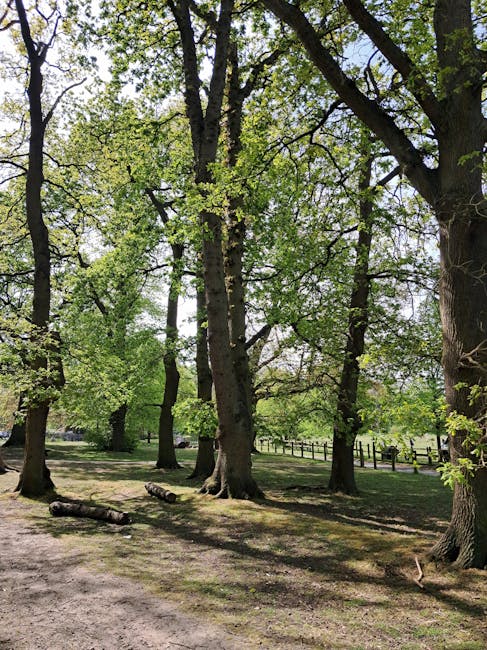
Honor Oak Park gardeners access problems and solutions
Getting a garden team into a property sounds simple enough, until you meet a side gate that barely opens, a steep run of steps, a tight terrace passage, or a driveway that disappears under parked cars. In Honor Oak Park, that kind of access challenge is not unusual. The good news is that most access issues can be solved with a bit of planning, clear communication, and the right approach on the day.
This guide breaks down Honor Oak Park gardeners access problems and solutions in a practical, real-world way. Whether you are arranging regular maintenance, hedge work, lawn care, patio cleaning, or a bigger garden project, you will find straightforward steps to reduce disruption, protect your property, and help the work go smoothly. And yes, some of the fixes are pleasantly low-tech. A wider gate catch and a well-timed text message can save a surprising amount of hassle.
Table of Contents
- Why this matters
- How access planning works
- Key benefits and practical advantages
- Who this is for and when it makes sense
- Step-by-step guidance
- Expert tips for better results
- Common mistakes to avoid
- Tools, resources and recommendations
- Law, compliance, standards, or best practice
- Options, methods, or comparison table
- Case study or real-world example
- Practical checklist
- Conclusion
- Frequently asked questions
Why Honor Oak Park gardeners access problems and solutions Matters
Access is one of those behind-the-scenes details that can make or break a gardening job. If a mower cannot reach the lawn, if a hedge cutter cannot safely get to the back boundary, or if waste bags have to be carried awkwardly through the house, the whole visit becomes slower, messier, and more expensive to deliver. For homeowners, that means avoidable disruption. For gardeners, it means more time spent problem-solving than actually gardening.
Honor Oak Park has many homes where the garden is tucked behind the property, divided by shared paths, split levels, basement steps, or compact side returns. Lovely to live in, not always lovely to service. That is why access planning matters so much. It is not just about whether someone can physically get through a gate; it is about whether they can work efficiently, safely, and without damaging plants, paving, fences, or neighbouring boundaries.
There is also a trust element. If a gardener turns up unprepared for access restrictions, the visit can feel rushed or improvised. On the other hand, when the access route is discussed properly in advance, the job usually feels calmer from the start. That calm is worth a lot. Nobody enjoys watching a crew wrestle a wheelbarrow through a passage with about two inches to spare.
If the work involves heavier clearance, tree work, or repeated visits, access planning becomes even more important. It can influence which services are realistic, what equipment is needed, and whether a job should be approached as a light maintenance visit or as part of a broader project. For some gardens, the right answer may be a mix of garden maintenance, selective pruning, and a few thoughtful layout changes rather than a one-off tidy-up.
How Honor Oak Park gardeners access problems and solutions Works
In practice, access planning starts before the first tool comes out of the van. The best results usually come from a quick walk-through, a few clear questions, and a realistic look at what can actually move in and out of the space. Think of it as route planning for a small outdoor project.
Most access problems fall into a few common categories:
- Narrow entrances where wheelbarrows, lawn mowers, or ladders cannot pass easily.
- Steep steps or slopes that make carrying materials tiring or unsafe.
- Shared access routes where neighbours, bins, or bikes can block the path.
- Locked side gates or unclear key arrangements.
- Restricted parking that affects unloading and waste removal.
- Fragile surfaces such as decking, old paving, or soft borders that need extra care.
Solutions tend to be practical rather than dramatic. Sometimes a job can be done with lighter tools. Sometimes materials should be brought through in smaller loads. In other cases, the access route needs to be protected with covers or boards, or the work split into stages so that the team is not constantly doubling back through tight spaces.
For jobs involving dense growth, ivy, or climbing plants, access is not just about people; it is about visibility. A boundary thick with growth can hide trip hazards, loose edging, cracked paving, or old fencing. In those cases, it helps to combine access planning with proper clearance and structure checks. A useful starting point can be reading about removing ivy carefully or keeping hedges manageable so pathways stay open over time.
Access solutions also work differently depending on the service. A lawn visit needs a clean route for equipment. Patio cleaning may need water access and good drainage. Landscaping may require material deliveries and waste removal. A tree-related job can involve additional safety planning and controlled exclusion zones. That is why a one-size-fits-all approach rarely works.
Key Benefits and Practical Advantages
When access is handled properly, the benefits are immediate and fairly obvious once you see them in action.
- Less disruption at the property because tools and materials move in a controlled way.
- Safer working conditions for gardeners, residents, pets, and visitors.
- Cleaner finishes since there is less dragging of soil, clippings, or heavy items through the wrong areas.
- Better time efficiency because the team spends less time improvising.
- Reduced risk of damage to paving, fences, doors, ornaments, and planting beds.
- More accurate quotes because the job scope is based on the real access situation, not guesswork.
There is a quieter benefit too: access planning often improves the garden itself. Once you start noticing bottlenecks, you may spot opportunities to widen a path, replace a sticky gate latch, trim a hedge that has swallowed a walkway, or redesign a corner so it works better for regular care. It is not all about the current visit. Sometimes it is about making every future visit easier.
That is especially true for gardens that are meant to be used frequently. A family garden, a pet-friendly space, or a low-maintenance plot benefits from simple, repeatable access. For ideas that support easier upkeep, some homeowners also look at low-maintenance garden solutions and even container gardening where a tighter space demands flexibility.
Who This Is For and When It Makes Sense
This topic matters to more people than you might think. If you have a garden in Honor Oak Park, chances are some part of it is slightly awkward to reach. That is normal. The question is whether the awkwardness is manageable or whether it is actively getting in the way.
It makes sense to focus on access problems if you are:
- a homeowner who wants regular maintenance without constant disruption
- a landlord preparing a property for new tenants
- a busy family trying to keep the garden safe and tidy
- someone with a small side return, basement garden, or split-level outdoor space
- an older resident who wants the garden maintained with minimal disturbance
- someone planning a larger project such as landscaping or fence replacement
It also makes sense if you have pets or children. Access routes that are fine for a quick trim can become unsafe when a pram, dog, toy, or storage item gets in the way. If your outdoor area needs to work for daily life, not just occasional viewing, then the route into it matters as much as the planting scheme.
A useful example: a client may think the issue is simply that the lawn is untidy. On closer inspection, the actual problem is that the mower can only be carried through a narrow kitchen route, which makes every visit awkward. In that situation, the best solution might be a combination of lighter equipment, adjusted scheduling, and perhaps a longer-term change in garden layout. Simple in theory. Slightly fiddly in practice.
Step-by-Step Guidance
- Map the access route before the visit. Start at the street and think through every turn, gate, step, and pinch point. If a wheelbarrow or mower cannot pass, note it early.
- Identify the widest and safest route. Sometimes the obvious route is not the best one. A rear lane, shared passage, or side door may be easier than carrying equipment through the main house.
- Check gate width, locks, and clearance. A gate that sticks in wet weather or opens only halfway can become a real delay. Make sure keys, codes, and padlocks are arranged in advance.
- Remove temporary obstacles. Bikes, bins, hose reels, and stacked pots can narrow access more than you realise. A five-minute clear-out can save a lot of shuffling later.
- Match tools to the route. Compact tools, foldable ladders, lightweight blowers, and smaller bags may be better than full-size kit for tight gardens.
- Protect surfaces where needed. If the route crosses paving, decking, or indoor flooring, consider covers or boards to prevent scuffs, muddy footprints, or chipped edges.
- Separate the work into phases. On difficult sites, it can help to split lifting, cutting, and waste removal into distinct stages. Less chaos. Fewer trips back and forth.
- Review the result and adjust the plan. After the first visit, note what slowed things down. A small change next time can make a big difference.
For bigger or more structural changes, the process may include more than access. If the route itself is too limited, the solution may involve changes to boundaries or hard landscaping. In those cases, services such as landscaping or fencing can play a part in making the space more workable.
Expert Tips for Better Results
Good access work is often about little details. Here are the habits that tend to separate smooth jobs from frustrating ones.
- Send photos before the appointment. A few clear images of gates, paths, steps, and problem corners are often enough to reveal the main constraints.
- Be honest about the access route. If the only route is through the kitchen, say so. If the latch is broken, say that too. Nobody benefits from guesswork.
- Think about weather. A dry path on Monday can be slippery by Thursday after a bit of rain. In London, that change can happen fast, and it does not always look dramatic until someone is halfway down the steps.
- Leave room for waste handling. Cuttings, bags of soil, and old plant material need somewhere to sit before removal. Tight access with nowhere to stage materials becomes chaotic very quickly.
- Consider plant protection. Heavy footfall near borders or delicate beds can compact soil and damage roots. Mark the route if needed.
- Keep communication short and clear. A simple message like "Gate opens inward to the left, key under the red planter, dog kept inside" can prevent avoidable confusion.
One thing people forget: access is not static. A route that worked in spring may not work in summer once growth fills in, or in winter when wet leaves cover steps. Seasonal change matters. It really does.
For boundary growth that keeps reclaiming the path, a mix of smart hedge design and the occasional ground cover plant can actually help reduce messy edge growth and keep routes clearer in the long run.
Common Mistakes to Avoid
Most access problems are manageable. The trouble starts when small issues are left to snowball.
- Assuming the garden is "easy enough". A quick look from the back door can be misleading. The difficult bit is often hidden around the side of the house.
- Forgetting about waste removal. It is one thing to get tools in. It is another to get clippings, branches, and debris out again.
- Leaving gates jammed open or closed. If access relies on a particular latch position, it should be checked before the team arrives.
- Blocking the route with everyday items. Bins, toys, compost sacks, and bikes have a sneaky habit of turning a usable path into a squeeze.
- Choosing the wrong equipment for the site. Big machinery is not always better. In tight spaces, lighter tools can be the safer, smarter option.
- Not accounting for pets or children. Even a short visit becomes more complicated if someone can wander into the work zone unexpectedly.
There is also a softer mistake: treating access as an afterthought instead of part of the service design. That often leads to disappointment. A bit of planning up front saves awkwardness later, and to be fair, everybody likes a job that simply flows.
Tools, Resources and Recommendations
The right tools will not solve every access issue, but they can make a difficult garden much easier to manage.
| Access challenge | Helpful tools or approach | Why it works |
|---|---|---|
| Narrow side passage | Compact hand tools, smaller bags, lightweight mower options | Reduces squeezing, turning, and repeated lifting |
| Steep steps | Carry straps, staged loading, fewer heavy loads | Less strain and a lower chance of slips |
| Wet or delicate surfaces | Ground protection boards or temporary covers | Helps prevent scuffs, ruts, and mud transfer |
| Overgrown routes | Initial clearance, hedge work, selective pruning | Restores visibility and working space |
| Blocked storage area | Temporary tidying plan and defined staging point | Keeps the work zone usable throughout the visit |
Beyond tools, a few supporting resources are worth knowing about. A good pricing and quotes page helps you understand how access can affect estimates. The health and safety policy can also reassure you that awkward routes and on-site risks are being handled properly. If you have questions about service fit, about us is usually a sensible place to learn more about the team and its approach.
For some gardens, a few broader topics are worth reading alongside access planning. If the space is heavily shaded or uneven, the advice in creating a wind-resistant garden and preparing your garden for severe weather can help you understand how weather and structure affect movement through the garden as well.
Law, Compliance, Standards, or Best Practice
For most domestic garden jobs, the key point is not complicated law; it is sensible practice. Gardeners should work in a way that avoids foreseeable harm, protects property, and respects the home environment. Homeowners, in turn, should make access routes reasonably clear and disclose anything that could affect safety, such as a broken gate, loose paving, poor lighting, or a pet that should be secured.
In the UK, good practice also means paying attention to safety, waste handling, and clear agreement about the scope of work. If a site has limited access, it is sensible to confirm in advance how equipment will be brought in, where materials can be staged, and who is responsible for unlocking or relocking gates. That may sound a bit formal, but it prevents small misunderstandings from becoming expensive ones.
It is also wise to think about privacy and neighbour relations. Shared alleyways and boundary routes can become a nuisance if they are blocked without warning. A quick heads-up can save a lot of tension. Nobody needs a grumpy note through the letterbox over a wheelbarrow parked in the wrong place.
Where a job involves tree work, heavier cutting, or more demanding site conditions, proper safety procedures matter even more. If you are comparing service options, a look at insurance and safety can help set expectations for how risk is managed. For work that is likely to create waste or temporary obstruction, terms and conditions and complaints procedure are also worth knowing about. Not thrilling reading, admittedly, but useful.
Options, Methods, or Comparison Table
There is usually more than one way to solve an access issue. The best choice depends on how tight the route is, how often the garden is maintained, and whether the problem is temporary or structural.
| Method | Best for | Pros | Limitations |
|---|---|---|---|
| Adjusting the route | Gardens with an alternative side or rear path | Low cost, quick to implement | May still be awkward if space is very tight |
| Using compact tools | Regular maintenance in narrow spaces | Reduces strain and improves manoeuvrability | Not ideal for every larger task |
| Staged material handling | Clearance jobs and larger tidies | Keeps things controlled and safer | Takes longer than a direct clean-out |
| Route protection | When surfaces are delicate or indoors access is needed | Protects floors, paving, and edging | Requires extra preparation |
| Structural improvement | Long-term access problems | Can improve the whole garden layout | Usually needs more planning and budget |
If the issue is mainly seasonal overgrowth, the best method may simply be regular trimming. If the garden is consistently hard to reach, then it may be time to think more structurally. That is where services like garden maintenance, lawn care, or even tree surgery can become relevant depending on the problem. The trick is matching the fix to the real bottleneck, not the visible symptom.
Case Study or Real-World Example
Here is a realistic example from the kind of job that crops up often in compact London gardens.
A homeowner in Honor Oak Park wanted a tidy-up before guests arrived for a weekend gathering. On paper, it looked like a straightforward refresh: mow the lawn, reduce a hedge, and clear a cluttered corner. But the access route told a different story. The rear gate opened inward and only just cleared the latch. A narrow side passage had a recycling box in one corner, a hose reel in another, and a few old pots lined up against the wall. Not a disaster. Just annoying enough to slow everything down.
The practical fix was simple: clear the route before arrival, stage tools near the gate, use smaller loads for waste, and work in a sequence that avoided backtracking. The hedge was trimmed first to improve light and visibility, then the path edges were tidied, and finally the lawn was cut once the route was unobstructed. That order mattered more than expected. By the time the mower came out, the whole space felt easier to work in.
There was one small extra issue, which is often how these things go. A damp patch near the side return made the ground slippery after a bit of morning drizzle. Rather than pushing through and hoping for the best, the route was adjusted slightly and the work carried out from a drier angle. No drama, just sensible judgement. Sometimes the best solution is the one that keeps everybody upright.
The result was not just a cleaner garden. It was a better way of using the garden. The homeowner later made the route permanently clearer, which meant the next visit took less time and felt far more straightforward.
Practical Checklist
- Confirm the main access route from street to garden.
- Check gate width, latch position, and key availability.
- Remove bins, bikes, toys, and loose storage items.
- Warn the gardener about steps, slopes, or uneven paving.
- Share photos if the route is unusually tight or unclear.
- Keep pets and children away from the work zone.
- Protect indoor floors or delicate paving if access passes through them.
- Tell the gardener about any broken fencing, unstable edging, or hidden hazards.
- Decide where waste can be staged and collected from.
- Review the access setup after the visit and note what could be improved next time.
Expert summary: the best access solution is usually the one that makes the next visit easier too. Small fixes, repeated consistently, beat one heroic tidy-up every time.
Get a free quote today and see how much you can save.
Conclusion
Access problems are rarely glamorous, but they are often the difference between a smooth gardening visit and a stressful one. In Honor Oak Park, where many gardens are compact, tucked away, or split by tricky routes, it pays to think about access early. The right approach can protect your property, reduce labour time, and make ongoing care much easier.
What stands out most is this: access issues are not always fixed by brute force. More often, they are solved by planning, better sequencing, lighter tools, and a clear understanding of the site. That is encouraging, actually. You do not always need a major rebuild to make a garden work better. Sometimes you just need a smarter route and a calmer plan.
If you are dealing with an awkward gate, a cramped side passage, or a garden that never seems easy to reach, take it seriously now. A small bit of preparation today can save repeated frustration later, and your garden will feel more welcoming for it. Quietly, that makes a big difference.
Frequently Asked Questions
What are the most common access problems for gardeners in Honor Oak Park?
The most common issues are narrow side paths, stiff gates, stepped access, shared walkways, limited parking, and routes blocked by bins, bikes, or stored items. In many homes, it is not one big barrier but several small ones.
How can I help a gardener access my garden more easily?
Clear the route in advance, check that gates open properly, secure pets, and share photos if the space is tight. If the access involves going through the house, protect floors and keep the path as uncluttered as possible.
Do access problems make gardening more expensive?
They can, depending on how much extra time, effort, or equipment is needed. A difficult route may mean slower work or more manual handling, so it is best to be upfront about it before a quote is agreed.
Can gardeners work through a house if the garden has no side access?
Yes, often they can, but it depends on the layout, the type of job, and whether indoor access is practical and safe. It should always be discussed in advance so there are no surprises on the day.
What if my gate is too narrow for larger equipment?
That does not necessarily mean the job cannot be done. Compact tools, staged handling, and smaller loads may solve the issue. For some larger tasks, though, the scope may need to be adjusted.
Is it better to fix access permanently or just manage it each visit?
If the garden is maintained often, a permanent fix is usually worth considering. That might mean trimming back overgrowth, improving a path, or changing storage so the route stays clear. For one-off work, temporary management may be enough.
What kind of garden jobs are most affected by access problems?
Hedge trimming, clearance work, landscaping, tree-related work, and patio cleaning are often the most sensitive to access constraints. Regular lawn care can also be affected if equipment cannot be moved in and out easily.
Should I mention access problems when asking for a quote?
Definitely. Clear information leads to a more realistic quote and helps avoid delays. Even a quick note about steps, gate width, or parking can make a big difference.
Are access issues a safety concern?
Yes, they can be. Tight routes, slippery steps, unstable paving, or poor lighting all increase the chance of slips, trips, or damage. Good access planning is as much about safety as convenience.
What if my garden is overgrown and the access route is hidden?
That is common, especially after a long break in maintenance. In those cases, the first job is often to open up the route before any bigger tidy-up begins. It can be useful to look at overgrown garden recovery for a sense of how that process usually unfolds.
How do I know whether I need maintenance, landscaping, or something more structural?
If the route is blocked by growth or clutter, maintenance may be enough. If the layout itself creates the problem, such as a cramped passage or awkward step arrangement, then landscaping or structural changes may be more suitable. When in doubt, start with the easiest bottleneck to fix first.
Where can I ask about access-sensitive work for my garden?
You can speak with the team through the contact page and explain the site layout, access route, and any safety concerns. A short, honest description is usually the fastest way to get helpful guidance.