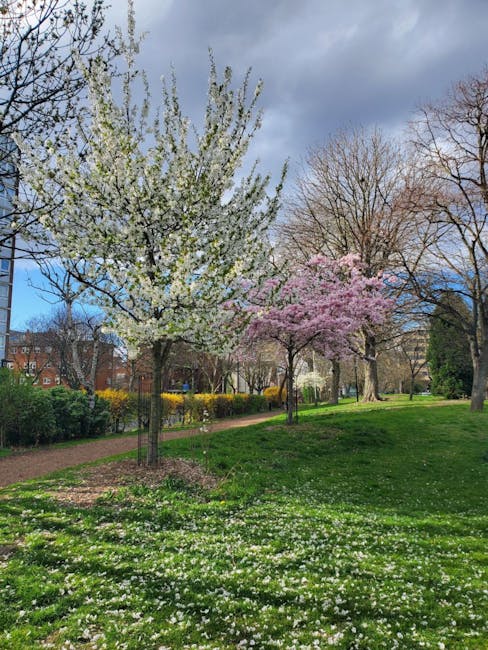
Dartmouth Road gardens local guide for Forest Hill gardeners

If you garden on or near Dartmouth Road, you already know the rhythm of the area: a mix of compact front gardens, tucked-away back plots, shady boundaries, and the occasional patch that looks fine from the pavement but needs serious attention once you step inside. This Dartmouth Road gardens local guide for Forest Hill gardeners is written to help you make better decisions, whether you are improving a small terrace plot, sorting an overgrown boundary, or planning a low-maintenance space that still feels alive. The aim is simple: give you practical, local-minded advice that works in the real world, not just in a glossy magazine spread.
Forest Hill gardens have their own quirks. Some are wind-exposed, some are damp and shaded, and many need a bit of clever structure to stay tidy without becoming bland. That is exactly where a good local guide earns its keep. You will find ideas for planting, privacy, lawn care, hedging, safety, and the kind of seasonal upkeep that prevents small jobs from turning into Saturday-eating disasters. Let's get into it.
Why Dartmouth Road gardens local guide for Forest Hill gardeners Matters
Local gardening advice matters because gardens are never just gardens. On Dartmouth Road, a planting choice that thrives in one front garden may sulk in another just a few doors away. Sun angle, fence height, neighbouring trees, soil compaction, wind channels, and everyday foot traffic all shape what works and what fails. That is why a local guide is more useful than generic advice: it helps you plan around the conditions you actually have, not the ones someone imagined.
Forest Hill also tends to reward gardens that are well-structured and easy to maintain. A space that gets too busy can quickly feel cramped, especially when borders spill over paths or climbers start behaving like they own the place. We have all seen it. One month it looks "natural", the next it looks like a green argument. A local approach helps you stay ahead of that.
Another reason this matters is value. Even modest improvements can change how a garden feels from the house, how secure it is, and how usable it becomes for family life, pets, or quiet evenings outside. If you want a garden that feels settled rather than constantly in recovery, local planning is the smarter route. For broader upkeep across the year, many homeowners also look at garden maintenance support so the work stays manageable instead of building up into one big seasonal overhaul.
How Dartmouth Road gardens local guide for Forest Hill gardeners Works
Think of this guide as a decision-making framework. Instead of starting with plants and hoping for the best, you begin with how the space behaves. Is it shaded by a neighbouring wall? Does it catch wind from the street? Is the front boundary exposed, or does the back garden feel private but damp? Once you understand the pattern, your choices become much easier.
The process usually follows a few simple steps:
- Assess the site. Look at light, drainage, soil condition, boundary lines, access, and what is already growing.
- Define the goal. Do you want privacy, colour, lower maintenance, more wildlife value, a child-friendly space, or just a cleaner, tidier look?
- Match plants and materials to the space. For example, shaded corners often benefit from evergreen climbers or tough ground cover rather than fussy bedding plants.
- Plan maintenance realistically. The best garden is not the fanciest one; it is the one you can actually keep going.
- Phase the work. A complete transformation is rarely the first step. Start with structure, then planting, then detail.
This is where a local expert mindset helps. In a street like Dartmouth Road, one garden may need screening from neighbours while another needs better path definition and easier access for mowing or sweeping. The "best" solution changes from house to house. Honestly, that is half the job.
If the space has become tangled or hard to read, it can help to look at a more structured reset approach, like hidden-potential garden recovery ideas, before you decide what to keep and what to remove. Sometimes the answer is not more planting. Sometimes it is just clearer structure.
Key Benefits and Practical Advantages
There are several reasons Forest Hill gardeners choose a localised approach to Dartmouth Road gardens rather than a one-size-fits-all plan.
- Better plant survival. Plants suited to shade, wind, or drier borders settle faster and need less rescue work.
- Less maintenance stress. A garden designed around your routine is easier to keep tidy.
- Stronger privacy. Carefully chosen hedges, climbers, or screening plants can make a surprising difference.
- More usable space. Better layout can make even a small garden feel much larger.
- Cleaner appearance. Defined edges, healthy lawns, and well-managed patios make the whole property feel looked after.
- Better seasonal resilience. Forest Hill weather can be a bit changeable, so gardens that are wind-aware and winter-ready cope better.
A particularly useful benefit is flexibility. If you like fresh herbs, seating areas, or a small dog-friendly patch, those can all be worked into the design without losing neatness. For compact gardens, container planting can be a very sensible choice; it keeps things adaptable and gives you control over soil, drainage, and layout. A practical read on that approach is container gardening for smaller spaces.
There is also the quiet benefit people often forget: peace of mind. When a garden is well planned, you stop worrying about whether the hedge is taking over, whether weeds will win by Thursday, or whether the patio will become a slippery nuisance after rain. That alone is worth something.
Who This Is For and When It Makes Sense
This guide is useful for a few types of gardeners, and maybe you will recognise yourself in more than one of them.
- Homeowners who want a better-looking frontage. Dartmouth Road fronts can benefit hugely from neat, consistent structure.
- Busy households. If you do not have time for high-maintenance borders, you need practical planting choices.
- New gardeners. A simple, local-friendly plan reduces costly trial and error. If you are just starting out, the advice in these beginner gardening tips can be a helpful companion.
- Families and pet owners. Safe circulation routes, robust planting, and sensible boundaries matter more than people think.
- People dealing with shade, ivy, or awkward corners. These are common across Forest Hill, and they need targeted solutions.
- Anyone preparing to sell or rent. A presentable garden supports first impressions without demanding a full redesign.
When does it make sense to bring in professional support? Usually when the garden is overgrown, access is awkward, hard pruning is needed, or you simply want the job done properly and promptly. That could mean hedge shaping, lawn recovery, boundary work, or larger improvements that sit alongside broader gardening services.
Truth be told, some gardens are perfectly manageable once they have had one strong reset. Others need a longer plan. There is no shame in either.
Step-by-Step Guidance
Here is a practical approach you can use on a Dartmouth Road garden, especially if you want visible improvement without making everything overly complicated.
1. Walk the garden at different times of day
Morning light, midday sun, and late-afternoon shade are not the same thing. Stand in the garden for a few minutes at each point if you can. You will notice warm spots, cold corners, wet patches, and parts that dry out faster than expected. Small observation, big payoff.
2. Clear the non-negotiables first
Remove dead growth, broken pots, fallen branches, and anything blocking paths or drains. If ivy has crept where it should not, deal with it before it takes more hold. A focused guide like removing garden ivy properly can help you understand the scale of the job.
3. Decide what the garden is for
Be honest. Is this a sitting garden, a children's play garden, a dog-friendly garden, a wildlife-friendly garden, or a simple low-maintenance space? You can mix functions, but one should lead. Otherwise the design starts competing with itself.
4. Build structure before detail
Think in layers: boundaries, paths, main planting, then fillers and finishes. If privacy is a priority, hedging or climbers may come before decorative touches. If shade is the issue, your structure might be vertical planting or evergreen screening. A useful starting point is fast-growing hedge choices for privacy.
5. Choose plants that suit the garden, not the wish list
It is easy to fall for a plant in a shop or online image. But does it suit a windy corner? Can it cope with dry shade? Will it overwhelm a narrow border? Good plant selection is really good problem-solving in disguise.
6. Set a maintenance rhythm
Weekly little jobs beat monthly panics. Ten minutes of weeding, deadheading, sweeping, or checking edges can save hours later. If a lawn is part of the plan, regular mowing and edge control are worth treating as non-optional, not "if there is time".
7. Review after one season
Gardens teach you things slowly. After a spring and summer, you will know what worked, what flopped, and what needs moving. That is normal. Actually, it is healthy.
Expert Tips for Better Results
Here are the things that tend to separate a garden that merely exists from one that feels settled and well cared for.
- Use repetition. Repeating a few plants or materials creates calm. Too much variety can look busy fast.
- Lean into shade-tolerant planting where needed. Darker corners often improve with evergreen climbers or durable ground cover rather than constant replanting.
- Protect the boundaries. Good fencing, hedge structure, or trellis support stops the garden feeling exposed. If boundary work is part of your plan, consider fencing options as part of the wider layout.
- Think vertically. Small gardens benefit from wall space, trained climbers, and tiered planting.
- Don't ignore the hard surfaces. A clean patio changes how the whole garden reads. It makes plants look better too, which is a nice bonus.
- Feed the soil. Compost and organic matter improve structure and water retention, especially in tired borders.
One more thing: if your garden is windy, don't fight the wind with fragile choices. Work with it. Use sturdy planting, layered shelter, and thoughtful placement. A practical reference point is designing a wind-resistant garden, because Forest Hill breezes can be a bit cheeky in the wrong place.
And for those who like the calm of a simple, uncluttered space, a more restrained layout can be lovely. A garden does not have to shout to feel complete.
Common Mistakes to Avoid
Most garden problems are not mysterious. They are usually small planning mistakes that compound over time. Here are the big ones.
- Choosing plants before fixing structure. If the layout is wrong, the planting will keep fighting the site.
- Underestimating shade. A border that gets two hours of weak light is not full sun, no matter how optimistic the label was.
- Letting ivy or climbers go unchecked. They can be useful, but only when they are managed.
- Overfilling small borders. Crowding looks busy at first and messy very quickly.
- Ignoring access. If you cannot reach the back fence, the back fence will eventually win.
- Using high-maintenance plants in a low-maintenance garden. That one is self-explanatory, really.
A common one in local gardens is forgetting to plan for winter. The garden may look lovely in July, then suddenly feel spare and awkward in February. A little evergreen structure, mulching, and seasonal preparation make a huge difference. If you want a seasonal reset, winter protection guidance is worth a look.
Another mistake is trying to fix everything at once. That rarely ends well. Better to complete one zone properly than start five and finish none. We have all done it. Not ideal.
Tools, Resources and Recommendations
You do not need a shed full of expensive kit to improve a Dartmouth Road garden, but you do need the right basics. Reliable tools save time and reduce frustration.
- Secateurs and loppers for pruning and shaping
- Spade and border fork for soil improvement and replanting
- Rake and stiff broom for leaves, debris, and patio clean-up
- Hose or watering can for targeted watering
- Gloves and knee protection for comfort and safety
- String line or edging tool for neat boundaries
For gardeners who prefer a simpler toolkit, a practical overview of essentials can be found in must-have gardening tools. It is a good reminder that the right tool used well beats a cupboard full of gadgets.
When it comes to resources, two things matter most: clear seasonal planning and realistic maintenance. Composting kitchen and garden scraps into soil improvement is one of the easiest wins available, and it helps reduce waste while feeding your borders. If you want to do that well, turning scraps into soil power is a neat place to start.
For people who want privacy and structure, hedge design also deserves attention. It can frame the garden and soften edges at the same time. A thoughtful read on this is hedge design ideas, which fits especially well with the boundaries and street-facing areas common on Dartmouth Road.
Law, Compliance, Standards, or Best Practice
For everyday home gardening, there is not usually a huge compliance burden, but good practice still matters. If you are pruning near a boundary, dealing with trees, working at height, or removing larger sections of growth, safety should come first. That includes checking for overhead hazards, using ladders carefully, and knowing when a task is better handled by a trained professional.
If you are unsure whether a tree, hedge, or root system is causing a problem, it is sensible to get proper advice before cutting aggressively. Local tree work can sometimes affect neighbours, light levels, and boundary arrangements, so a cautious approach is best. In practical terms, that means documenting what you are doing, avoiding unnecessary damage, and keeping the work proportional.
Good contractors should also have clear information about safety, insurance, working methods, and terms. If you are hiring help, it is reasonable to ask how they manage risk and what their process is. Useful pages to review include insurance and safety information, health and safety policy, and terms and conditions. Those pages help set expectations before anyone starts work.
There is also a trust angle here. If you are comparing services, check how pricing is explained, whether the process is transparent, and whether communication feels straightforward. Good garden work tends to be practical and calm. No drama. No mystery.
Options, Methods, or Comparison Table
If you are deciding how to improve a Dartmouth Road garden, it helps to compare the main approaches rather than guessing. Here is a simple, practical comparison.
| Approach | Best for | Strengths | Watch-outs |
|---|---|---|---|
| Low-maintenance planting | Busy households, smaller gardens | Less upkeep, tidy look, reliable structure | Can feel plain if there is no variation in texture |
| Privacy-led design | Overlooked gardens and front boundaries | Improves seclusion, softer edges, stronger garden rooms | Can reduce light if overdone |
| Shade-tolerant garden plan | North-facing or enclosed spaces | Better plant survival, fewer failures, calmer feel | Limited plant palette unless layered carefully |
| Wildlife-friendly planting | People wanting a more natural garden | More seasonal interest, ecological value, softer look | Needs some tolerance for a less manicured finish |
| Full reset and maintenance plan | Overgrown or tired gardens | Fast visual improvement, clearer structure, easier upkeep | More upfront effort and planning |
For many Dartmouth Road gardens, the best result is actually a blend: a neat base, some privacy, a few reliable evergreens, and a couple of accent plants or container features. That combination tends to age well. It also feels less like a trend and more like a home.
If the space includes a lawn, combining the design plan with ongoing lawn care or regular mowing can keep the whole garden looking sharper without much extra effort.
Case Study or Real-World Example
Here is a realistic example based on the kinds of gardens commonly seen around Dartmouth Road, though without pretending this is one exact property. A homeowner had a narrow back garden with patchy grass, a tired fence line, some stubborn ivy, and a corner that never got enough sun for the plants they kept buying.
The first step was not planting. It was clearing. The ivy was cut back, the border edge was redefined, and the patio area was cleaned so the garden stopped feeling dulled down by grime and clutter. Then the design was simplified: evergreen structure near the boundary, a few shade-tolerant plants in the darker section, and containers placed where light was best. The lawn was reduced to a manageable area instead of trying to dominate the whole plot.
The result? Not a show garden. Something better. A garden that felt ordered, usable, and easy enough to keep going. The owner could sit outside without staring at unfinished jobs. The space looked more deliberate, which made the whole home feel calmer. That tends to be the real win.
In cases like this, a combination of patio cleaning, border reshaping, and targeted planting often makes a bigger impact than replacing everything at once. Less chaos, more control. Simple, but effective.
Practical Checklist
Use this checklist if you are planning work on a Dartmouth Road garden and want to stay organised.
- Check sun, shade, and wind patterns across the day
- Identify problem areas: ivy, weeds, compacted soil, poor drainage, or dead planting
- Decide the garden's main purpose before buying anything
- Choose a structure-first plan: boundaries, access, then planting
- Pick plants that suit the actual conditions, not just the appearance
- Include at least one evergreen or year-round feature
- Keep maintenance realistic for your schedule
- Plan for winter as well as summer
- Review safety if there is pruning, height work, or large-scale clearance
- Book help early if the job is bigger than a weekend can handle
If you want a stronger starting point, a broader service overview like gardening services can help you decide what to tackle first and what to leave to a professional team. For many people, that's the moment the job becomes much more manageable.
Conclusion
Dartmouth Road gardens have a lot of potential, but they usually need local thinking to unlock it. Forest Hill conditions can be a bit mixed, and that means the best results come from careful observation, sensible plant choices, and a layout that suits real life. Whether you want privacy, tidiness, shade-friendly planting, or a garden that simply feels easier to live with, the key is to build around the space you actually have.
The good news is that even modest changes can make a big difference. A clearer boundary, healthier soil, a better lawn routine, or a few well-chosen evergreen plants can shift a garden from "something to deal with" into a space you genuinely enjoy. And that feeling, on a quiet evening in Forest Hill, is hard to beat.
If you are ready to improve your garden with local, practical support, take the next step with confidence.
Get a free quote today and see how much you can save.
To learn more about the team behind the work, you can also visit about us, check how bookings and payments are handled on payment and security, or look at pricing and quotes if you are planning the next step. Sometimes the easiest progress begins with one clear conversation.
Frequently Asked Questions
What makes Dartmouth Road gardens different from other Forest Hill gardens?
They often combine narrow layouts, varying shade levels, and boundary issues that need more thoughtful planning than a standard generic garden. Small differences in light and wind can change what works.
Which plants usually work best in shady parts of a Dartmouth Road garden?
Shade-tolerant ground cover, evergreen climbers, and tougher structural planting tend to perform better than sun-loving bedding plants. The exact choice depends on how dark and damp the area is.
How do I make a small garden feel bigger?
Use clear lines, repeated planting, vertical layers, and fewer but better-defined focal points. Clutter makes small gardens feel even smaller, so keep the layout calm.
Is low-maintenance gardening realistic in Forest Hill?
Yes, very much so. The trick is choosing durable plants, reducing overcomplicated borders, and designing the space so maintenance is regular but not endless.
What should I do first if my garden is overgrown?
Start with clearance and structure. Remove dead growth, sort access, and identify what is worth keeping before buying any new plants or materials.
Do I need professional help for hedge trimming or tree work?
If the job is tall, awkward, near boundaries, or involves large branches, professional help is often the safer and neater option. It also tends to save time and avoid messy cuts.
How often should a Dartmouth Road garden be maintained?
Light weekly attention is usually better than occasional heavy sessions. Small, regular tasks keep weeds, edges, and overgrowth under control without making the garden feel like a burden.
Can I improve privacy without building a solid fence?
Yes. Hedging, trained climbers, and layered planting can soften views and create a more private feel without making the garden feel boxed in.
What is the best way to deal with ivy?
Cut it back carefully, remove it in stages, and make sure roots and regrowth are properly addressed. Ivy can be useful in the right place, but it becomes a problem when left unchecked.
Are patios worth cleaning as part of garden improvement?
Absolutely. A clean patio can change the whole look of a garden. It brightens the space, makes planting look sharper, and reduces that neglected feeling.
How do I know whether a garden needs a full redesign or just maintenance?
If the layout still works but the garden looks tired, maintenance and selective improvements may be enough. If access, structure, or drainage are the main problems, a redesign may be the better long-term choice.
Where can I get help if I want the work done properly?
Start by reviewing the service and trust pages, then contact the team for a tailored discussion. A clear plan, a sensible budget, and an honest assessment usually make the whole process smoother.